
Trauma Recovery Pathways Expand Beyond Traditional Therapy
New evidence shows trauma survivors benefit from varied recovery approaches, including creative expression and peer support communities, complementing established psychological treatments.
Trauma survivors in Australia are discovering that recovery from post-traumatic stress disorder extends far beyond traditional clinical settings, with emerging evidence supporting diverse therapeutic pathways tailored to individual needs. Research from the National Institute of Mental Health confirms that most people will recover from traumatic symptoms over time, though the specific approaches that work best vary considerably between individuals (1).
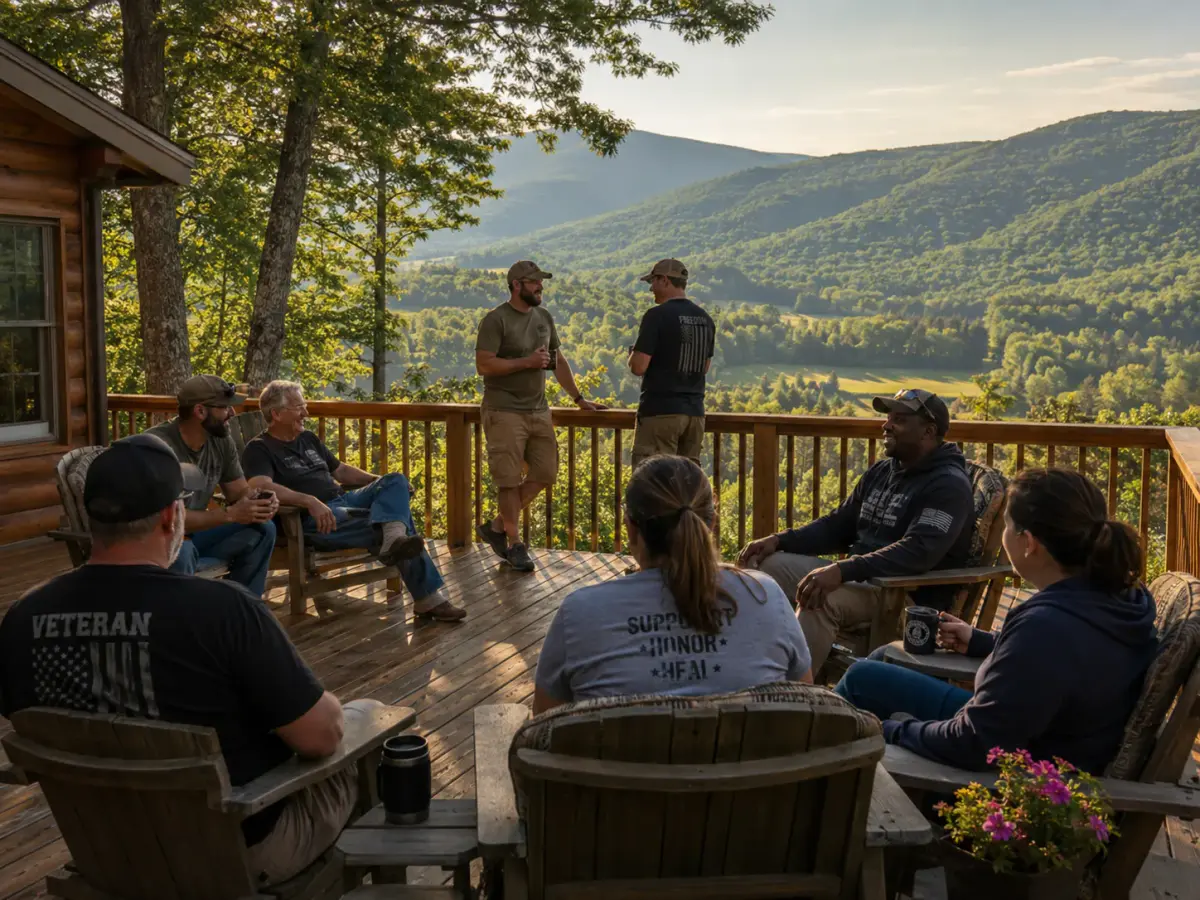
Community-based retreats are proving particularly effective for certain populations. A sanctuary nestled in the foothills near Rockhampton in central Queensland brings together veterans, their families and others experiencing trauma, creating spaces where people can talk openly and lighten their emotional load. These peer-support environments complement formal treatment by offering connection and understanding from others who have lived through similar experiences.
Creative expression is also gaining recognition as a valuable recovery tool. Detailed self-portraiture and artistic work help some trauma survivors reconnect with their bodies and process complex emotional experiences that may be difficult to articulate verbally. The meditative quality of focused creative practice provides both psychological benefit and tangible evidence of progress, supporting survivors’ sense of agency in their own healing journey.
Experts emphasise that having an emotional reaction to traumatic events or exposure to traumatic imagery is entirely normal (1). Rather than viewing distress as pathological, contemporary trauma care recognises these responses as understandable human reactions that typically diminish with time and appropriate support. This reframing reduces stigma and encourages survivors to seek help without shame.
The diversity of effective recovery pathways reflects what researchers have long understood: trauma affects each person differently, and treatment must be personalised accordingly. Whether through community connection, creative engagement, professional therapy, or combinations of these approaches, survivors increasingly have options that align with their values and circumstances. Mental health services across Australia are expanding to incorporate these varied modalities, recognising that recovery is not one-size-fits-all but rather a multifaceted process supported by multiple evidence-based approaches.
Sources